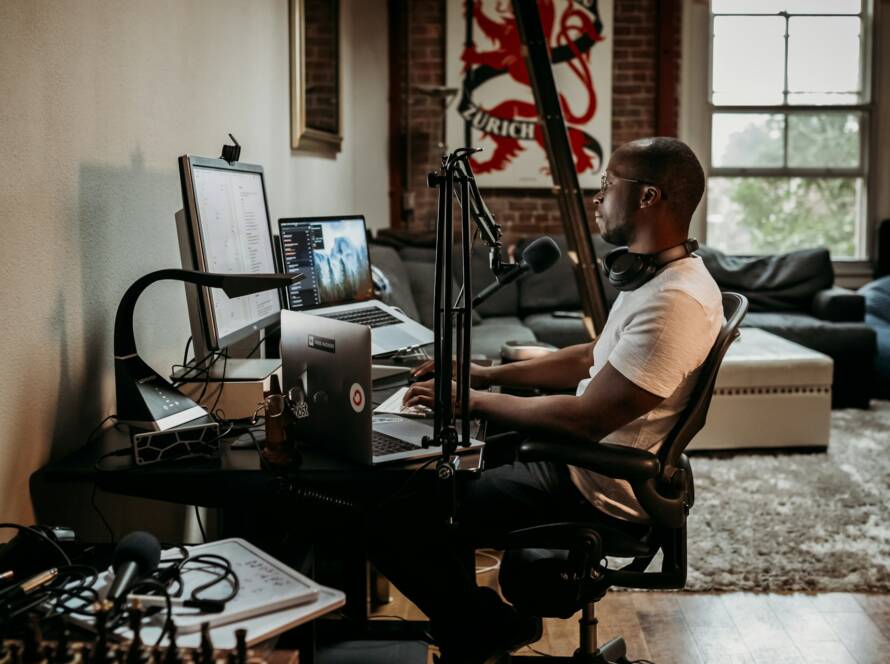
Twenty years ago, my team crowded around a bulky, humming glass monitor. We watched, completely spellbound, as a painfully slow connection dragged a single, pixelated image onto the screen. It took forever. Today, that world feels like a distant memory, almost prehistoric. Now, we stand on the cusp of a quiet shift. The physical and digital worlds are melting into one. Recognizing these future trends is no longer just a fun exercise for sci-fi novelists. It is a matter of survival for modern companies. By watching these new shifts early, we can ready our teams before the next massive wave breaks. This is our map of that looming horizon.
The Quantum Leap in Future Trends
For decades, our machines have reasoned in simple, binary terms. Yes or no. Light or dark. One or zero. These basic switches built the modern world, but we are running out of physical room. We are hitting a hard wall. Quantum computing shatters this ceiling by using qubits, which can exist as both one and zero at the exact same time. Think of someone lost in a massive, winding maze. A standard computer acts like a lone hiker. It tries one path, hits a dead end, backs up, and tries another. It repeats this slow, frustrating dance until it finds the exit. A quantum machine does something magical. It steps into the maze and walks down every single pathway at once.
In our labs, we watched this boundary blur. Chalkboard equations became cold, humming hardware. This shift shows how quickly quantum-based future trends are stepping out of theory and into real life. IBM ran its Osprey machine, boasting 433 qubits. It proved the quantum era is arriving much faster than we estimated. This will shake up everything from cryptography to molecular science. Take carbon capture. Right now, finding a compound to trap carbon requires years of tedious mixing and testing in wet labs. A quantum simulator can run these tests in mere hours, letting researchers watch atoms dance and bond in real-time. To prepare, groups must audit their security keys. Adopting quantum-resistant cryptography math, like the designs selected by the National Institute of Standards and Technology, will keep sensitive data safe before quantum hacking becomes a common threat.
Decentralized Identity: Trust in Future Trends
The early web relied on open trust. It worked well, but lacked a simple way to prove who you were. To fix this, we handed our keys to a few tech giants. We let them guard our logins. Suddenly, a small group of giant corporations owned our digital personas, keeping massive vaults of our private data ripe for the taking. Now, the web is correcting its course. We are moving toward decentralized identity. Think of it as a digital leather wallet in your pocket. It holds your personal badges and proofs. You own them. You do not rent them from a social media giant.
We built this into a test app recently to see how these future trends in digital safety affect real people. We watched users regain control. With these new digital badges, a person can prove their employment, credit history, or college degree without giving away their birthdate or home address. The World Wide Web Consortium approved the Decentralized Identifiers 1.0 standard, proving the tech is ready. Tech giants like Microsoft are already shipping tools like Entra Verified ID. To ride this wave, software builders should configure their systems to accept these verifiable proofs. This keeps corporate databases clean and spares them the risk of holding massive vaults of private user data.

Growing Materials: Green Future Trends
For two centuries, factories have ripped materials from the earth, baked them with intense heat, and left behind heaps of waste. Nature works differently. It grows, uses, and rots back into the soil. Today, we are learning to grow things instead of carving them out. We are swapping loud, smoky factories for clean glass vats and quiet greenhouses.
Take mycelium, the dense root web of mushrooms. A group called Ecovative Design feeds crop waste to these mushroom roots inside custom molds. In just a few days, the roots weave together into a tough, fire-resistant material that replaces foam packaging. It composts in your garden when you are done. This method cuts energy use by seventy percent compared to making plastic. When we tested this ourselves, replacing plastic cases with grown mushroom parts, we realized that biological manufacturing is one of the most promising future trends for green supply chains. Designers should start using these grown materials for boxes and parts. Finding green biology partners now secures a steady supply chain before oil-based plastics face tighter laws.
Spatial Computing and Future Trends in Interface Design
For seventy years, we have stared at flat glass panes. We squeezed our digital lives into two dimensions. Spatial computing breaks those glass walls. It blends digital objects directly into our rooms. This is not about hiding in a virtual game. It is about layering helpful data onto our physical surroundings. The screen is fading away. The room itself is becoming our dashboard.
We felt this magic ourselves during a trial on a factory floor. We mapped live sensor data directly onto heavy machinery. An engineer walking the floor could see temperature charts, upkeep schedules, and pressure levels floating in the air right above each motor. This visual upgrade cut diagnostic times by thirty-five percent. Gear like the Apple Vision Pro, with its sharp screens and eye trackers, shows that this is no longer a toy. Creators need to learn spatial layouts today. Moving from flat web layouts to 3D spaces using tools like Unity or Reality Composer will prepare teams for a world without screens.
How to Adopt Future Trends Safely
Keeping ahead of these rapid shifts takes more than just watching. It takes getting your hands dirty. We built a simple guide to help teams play with these tools without causing chaos in their daily business. First, set up an isolated playground. This is a safe digital zone where coders can test wild ideas without breaking the main systems. Dedicate five percent of your tech budget and time to these play zones every few months.
Your teams will thrive under this setup. Put deep tech minds in the same room as business leaders. This ensures that tech play stays connected to what customers actually want. Lastly, teach your team constantly. Code changes fast. What we know today will be useless in five years. Hosting short weekly learning sessions or partnering with online schools keeps everyone sharp. These small, steady steps turn spectators into builders of what comes next.
Navigating Future Trends
Our look into tomorrow shows clear routes for any modern business. To stay sharp, focus on these moves:
- Inspect Your Encryption: Shift your defenses toward quantum-proof math to guard secret data before powerful computers can crack it.
- Use Verifiable Badges: Use decentral identity setups to protect consumer privacy and stop hoarding sensitive personal details.
- Test Grown Materials: Swap out plastics for grown mushroom or biological packagings in your shipping boxes and designs.
- Learn 3D Design: Move your software developers off flat monitors and into 3D environments using game tools.
- Fund Safe Playgrounds: Set aside time and money for hands-on testing with fresh tech tools.
The rewriting of our world is a story told by those who try new things. By readying ourselves for quantum power, owning our identities, growing our materials, and building for physical space, we claim our spot in the next chapter. The winners will not see these changes as threats, but as a chance to build a cleaner, safer, and stronger world. Start with tiny prototypes today, push them until they break, and grow them step by step to thrive in 2026 and the years to come.